“The DNA is the B2B trade fair”
Joachim Kaufmann and the (new) identity of the Frankfurt Book Fair
On November 1, Joachim Kaufmann takes over as head of the Frankfurt Book Fair. The former Carlsen CEO says he has no finished plan, as he made clear at the Publishing Perspectives Forum "The Future of the International Publishing Industry" at the fair. Yet his first weeks in office reveal three lines of direction: a sharper trade fair, a large public festival on the weekend, and an industry that speaks up more loudly in politics.

Published: 12 October 2026 | Photo / Video: Frankfurt Book Fair
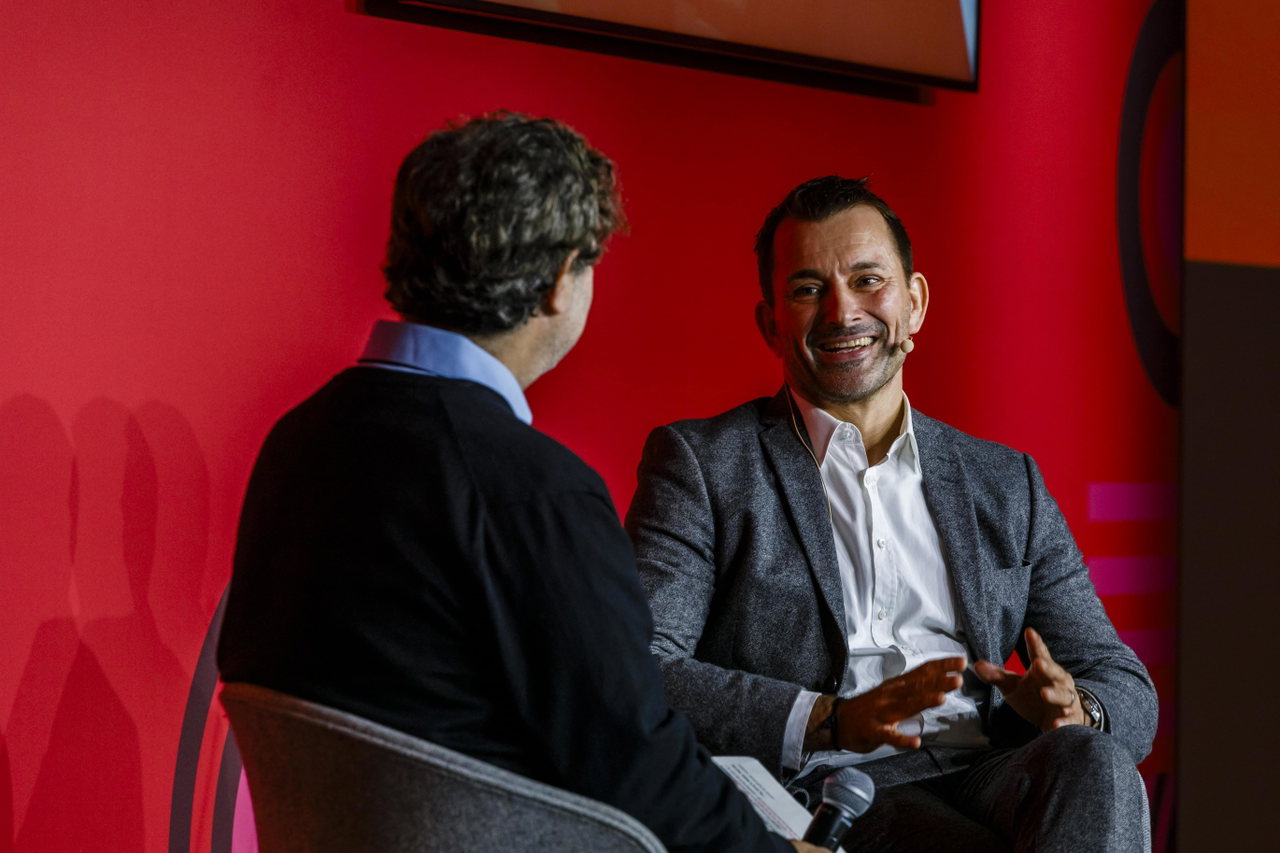
Anyone who had hoped for a manifesto at the end of the first fair week was disappointed. At the Publishing Perspectives Forum "The Future of the International Publishing Industry," Kaufmann spoke candidly in conversation with Andrew Albanese, editor-in-chief of Publishing Perspectives, and said he had many ideas but no plan. Anyone who presents a finished vision with an implementation plan after only a few weeks in office, he said, is a bad manager.
Formally, Kaufmann is already managing director, but this fair was still Juergen Boos's. Boos hands over at the end of October, and Kaufmann takes over on November 1. He has been in Frankfurt since September 1. He used the months before, after leaving Carlsen at the end of March, for family, travel and onboarding, with access to Teams and email.
In place of a plan, he is relying on a process. He has already spoken with 30 to 40 employees, and talks with exhibitors are to follow. In the spring, a joint target-setting process is to begin that will define goals for the next three years. He keeps his ideas in a long list on his smartphone and wants the team and customers to challenge them before they become plans.
This content is blocked by your cookie settings. 🍪
You can change this in the cookie settings or accept and load it for this visit only.
The moderator from the sales department
To understand how Kaufmann leads, it helps to look at his career. He comes from a publishing family, trained at Herder, and then worked in field sales and key account management at Random House. At Ravensburger he became sales director. In 2006, at 33, he took over as managing director of Carlsen and ran the publisher for 20 years, including the Harry Potter and Twilight years. For the Bonnier group he also built international business, for example through acquisitions in Poland. On top of that come many years of association work, at the German Publishers and Booksellers Association (Börsenverein), on the executive committee of the International Publishers Association (IPA), and most recently at the Federation of European Publishers (FEP).
This explains his tone. He sees himself as a moderator of good people and not as a sole decision-maker. A good salesman talks little and above all listens, he said, and that is exactly what he is doing now with employees, exhibitors and visitors. For the start, it matters to him to feel the team's passion. After his 30 to 40 conversations, that wish has already been fulfilled.
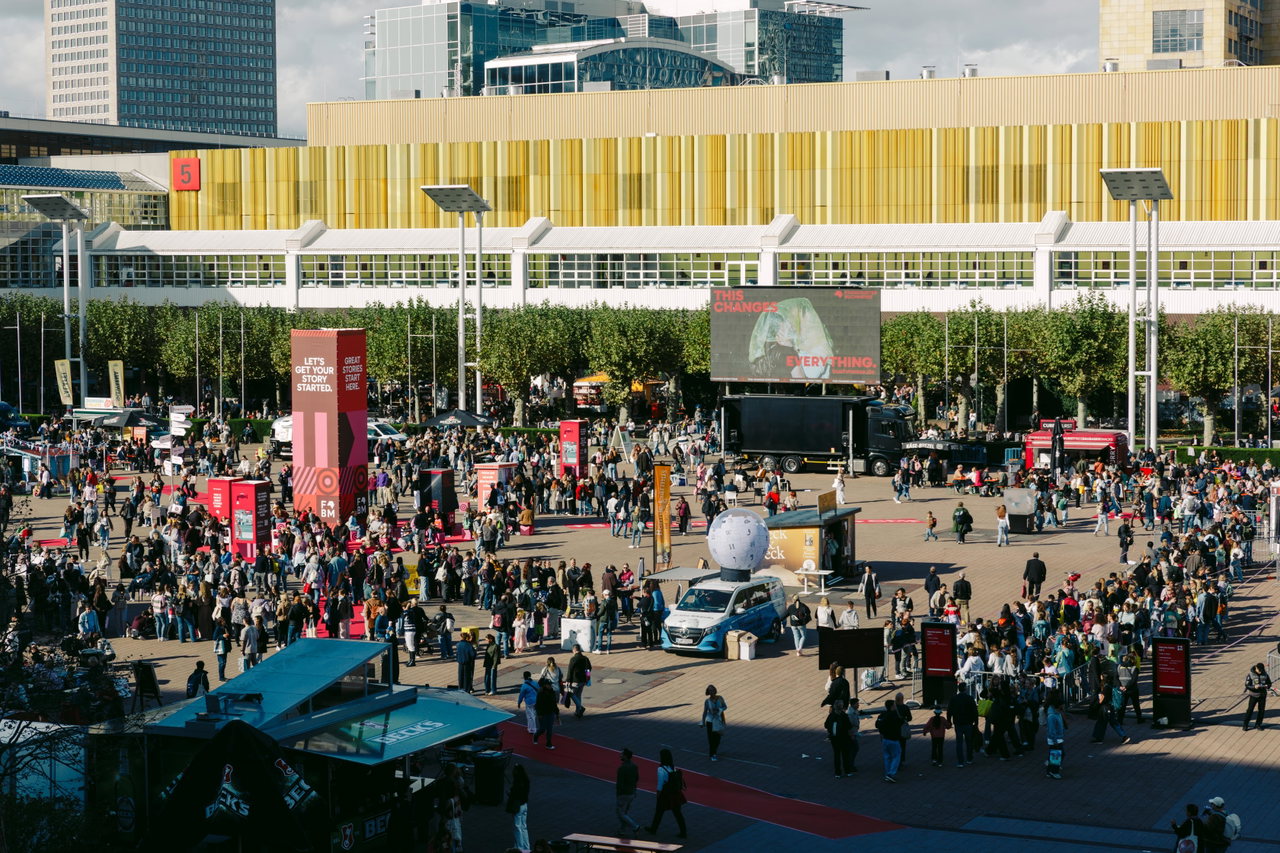
A friendship of about 20 years connects him with his predecessor. Both come from the Black Forest, and both began their careers at Herder. Accordingly, Kaufmann stresses continuity. The fair is in good economic shape, change has been part of everyday life under Boos, and he can continue on this path. He calls the new hall layout, with trade visitors upstairs and consumers downstairs, which Boos and his team introduced this year, a brilliant idea. He himself never thought of it.
First line: sharpening the trade fair
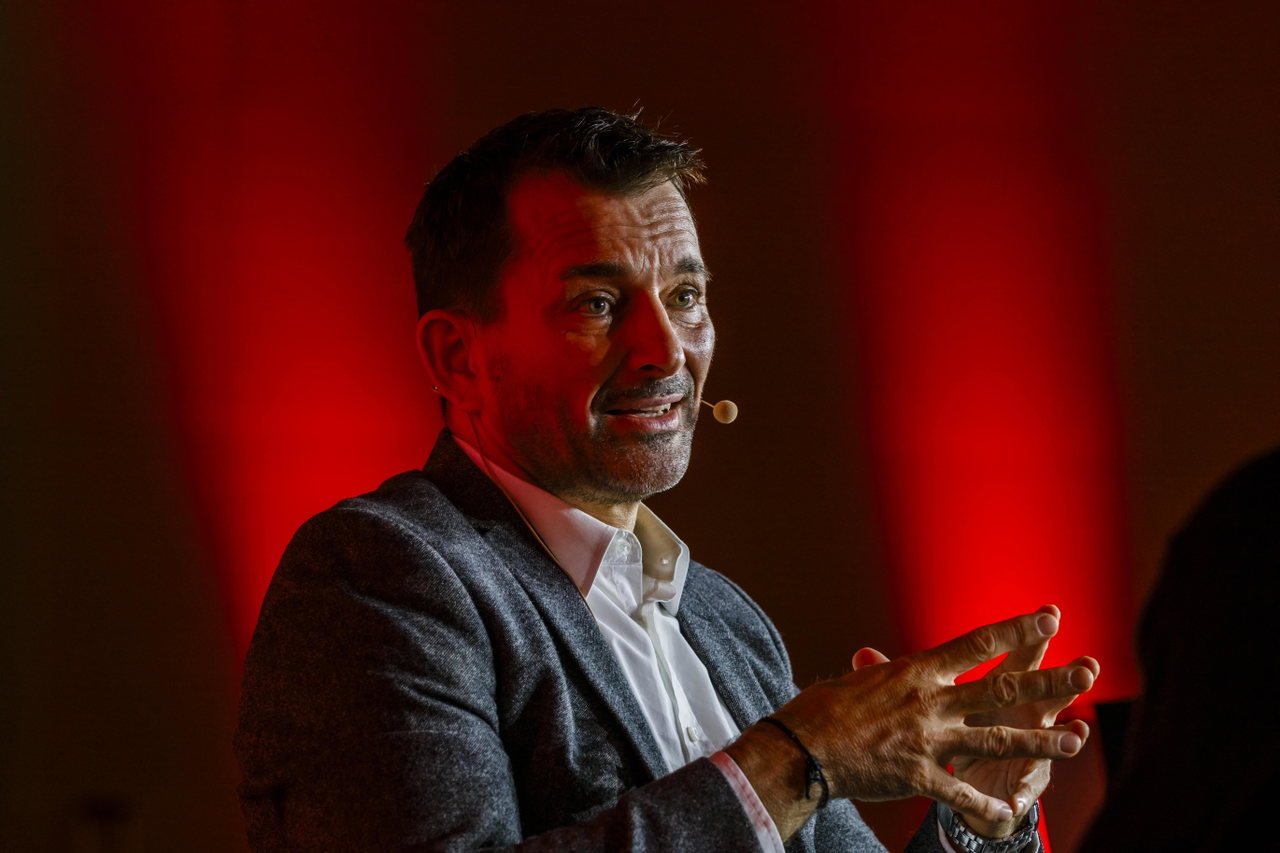
Kaufmann states his most important goal without detours. The fair should remain relevant to trade visitors and, ideally, become even more relevant. The biggest risk he sees is that professionals will come for shorter stays or in smaller numbers in the future. The DNA of the fair is and remains the business-to-business side, he said, and its role lies in matchmaking and networking.
Those who travel from Asia, Latin America, Africa or the US should go home saying the effort and cost were worth it. To that end, Kaufmann wants to develop formats that bring the right people together. He left open what these will be.
His yardstick is a conversation with a Random House executive who described Frankfurt as the only place where colleagues from around the world can be brought together. Kaufmann also wants to broaden the fair in terms of content. It is not only about books but also about book to screen and book to gaming, and he calls the development of these areas a decisive point.
Second line: the weekend as a festival
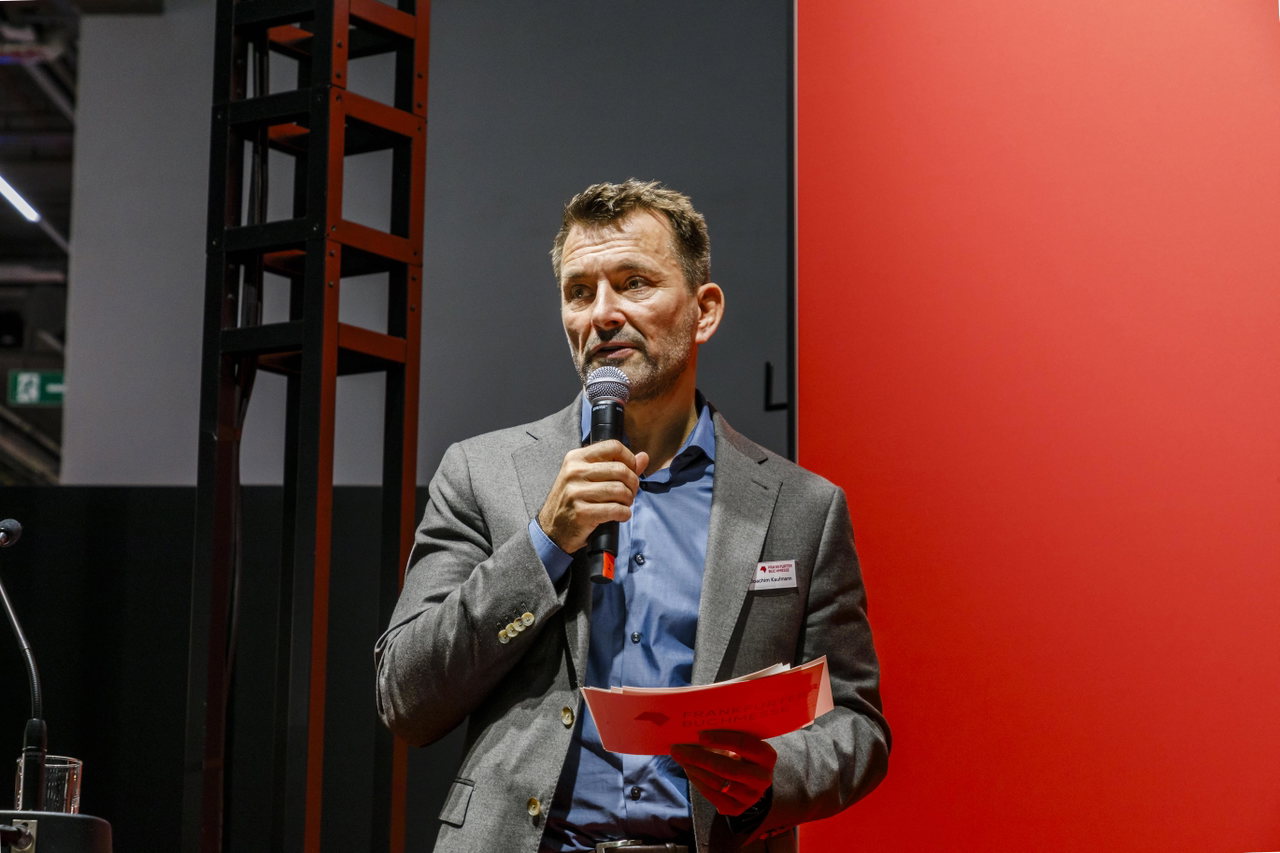
The second idea concerns the German-speaking public. Kaufmann wants to establish a large book festival on the weekend, with big stars and big stages. He draws a clear line. He will never accept this before Friday, he said, because during the week the fair remains a purely professional event. From Friday to Sunday, however, the crowds should come.
He is building on this year's reorganization. Exhibitors used to complain about the crowds, but now the ground floor, with the German trade publishers, draws the consumers, and the upper floors belong to trade visitors. Already at the entrance, the public is directed to the first level and from there guided downstairs. Kaufmann wants to continue down this path. What the festival will look like is, as he says himself, still an idea and not a plan.
Third line: making the industry visible
In Kaufmann's view, the fair should be more than a marketplace. He wants to give the book industry a much bigger spotlight during fair week. Nearly 8,000 media representatives are in Frankfurt, which is a lot, but he wants to attract more attention, especially internationally. More politicians should come, invited to conferences on copyright, on AI and the unpaid use of content, and on reading promotion. That film and even the games industry in Germany receive more attention and more funding than books leaves him, in his own words, speechless at times.
In this he strikes a tone that his predecessor also uses. In his interview with Publishing Perspectives, Boos pointed to Frankfurt Calling, the fair's cultural and political program, and to the freedom to publish, which people have to fight for.
On AI, Kaufmann is an optimist who does not ignore the risks. For him it is a challenge and an opportunity at the same time. During his break, he completed intensive training and has since built more than 20 agents. The speed and, in part, the quality of well-built agents astonished him. AI must not be used like Google, however, and everything it produces has to be checked. How this attitude will show up in the fair's program remains open.
What will only show later
Kaufmann knows that time works against quick change. Around 80 percent of the business comes from the fair itself, and his business year effectively lasts five days. From about March, everything has to mesh like clockwork, and after that it is no longer possible to intervene in the system. After the flexible world of publishing, this is new to him and creates time pressure.
Combined with the target-setting process announced for the spring, the room for maneuver for the 2027 fair is likely to be limited. The new signature style would then become clearly visible only in the following years. This is an assessment and not a statement by Kaufmann.
First, he will use the week after the fair, when many employees are off, to sort his impressions and his list of ideas at his desk. After that he travels to Guadalajara, Abu Dhabi and, in early January, New York. Overall he wants to be on the road considerably less than Boos. He continues to live in Hamburg, plans to be in Frankfurt from Monday to Wednesday, and to work from home on Thursday and Friday where possible. His son is 13, and he wants him to know his father.
In the first year, Kaufmann's signature style will therefore show itself more in method than in program. He listens, consolidates, and commits only in the spring. The three lines, a sharper trade business, a weekend festival and more visibility, are the direction against which his decisions will be measured.